PRACTICAL REJECTS, OR: SHUT UP AND ENJOY THE PAST!
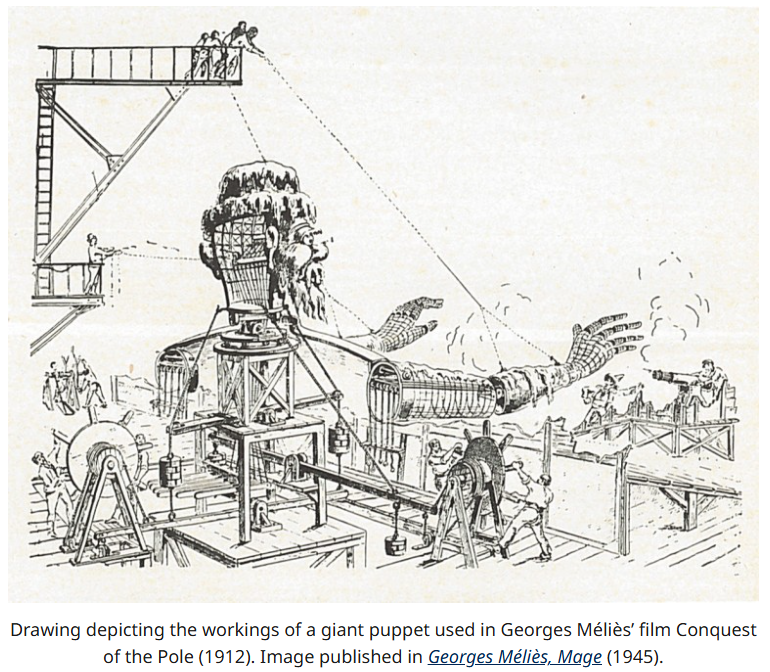
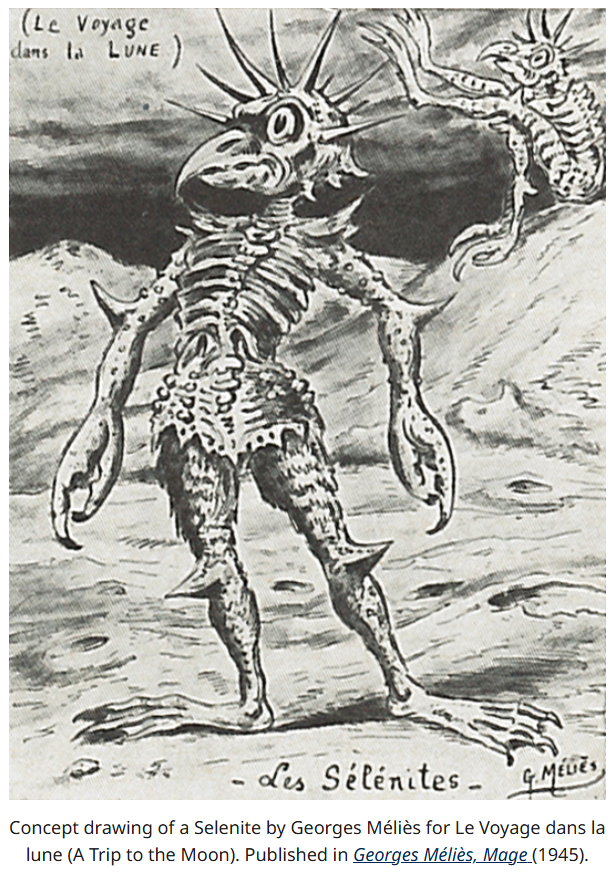
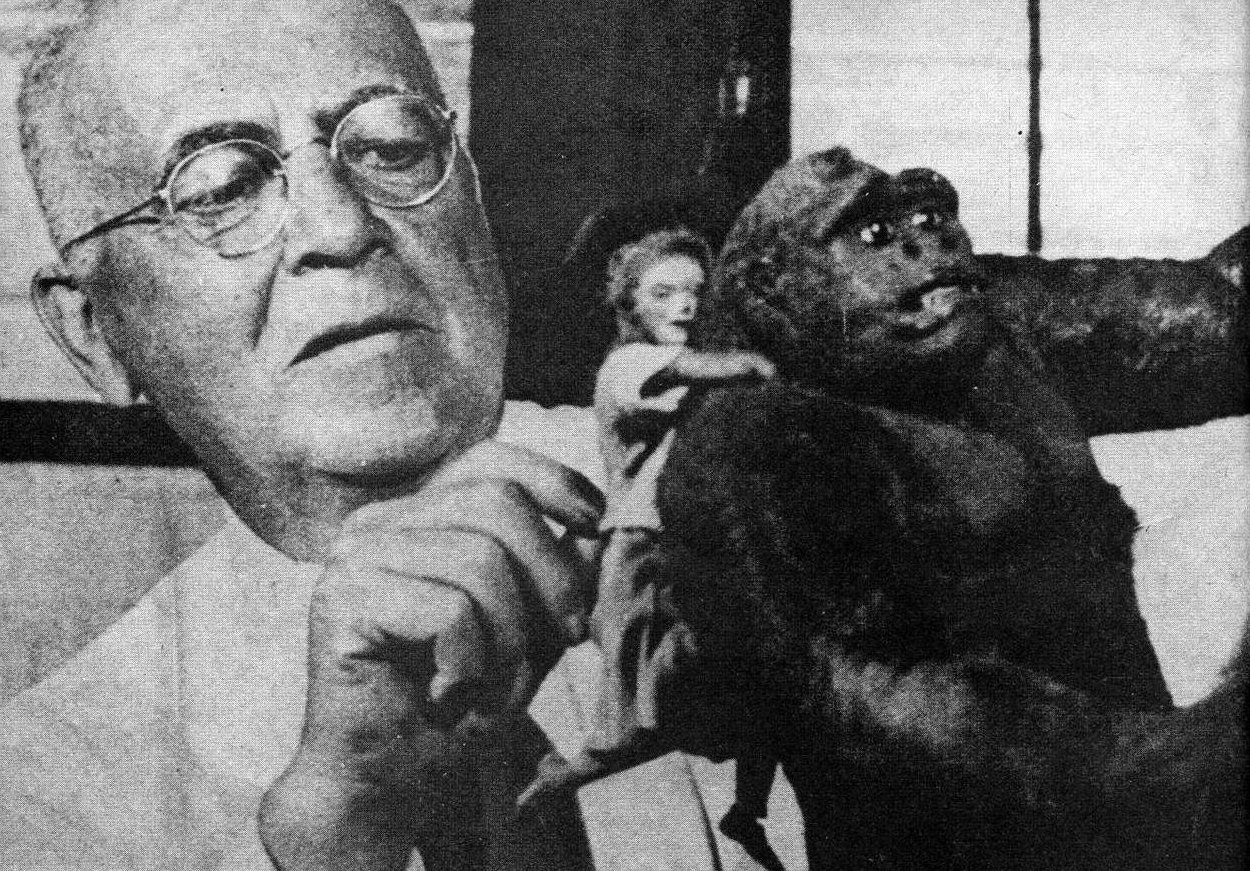
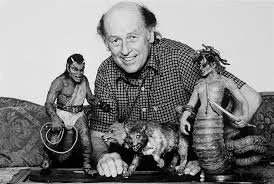
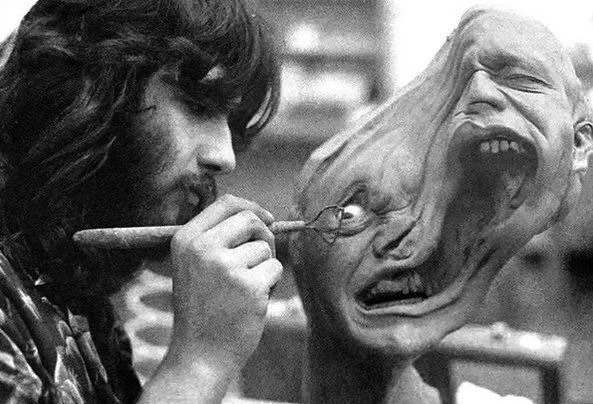
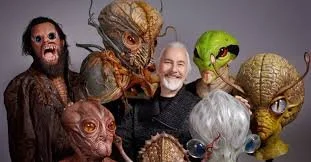
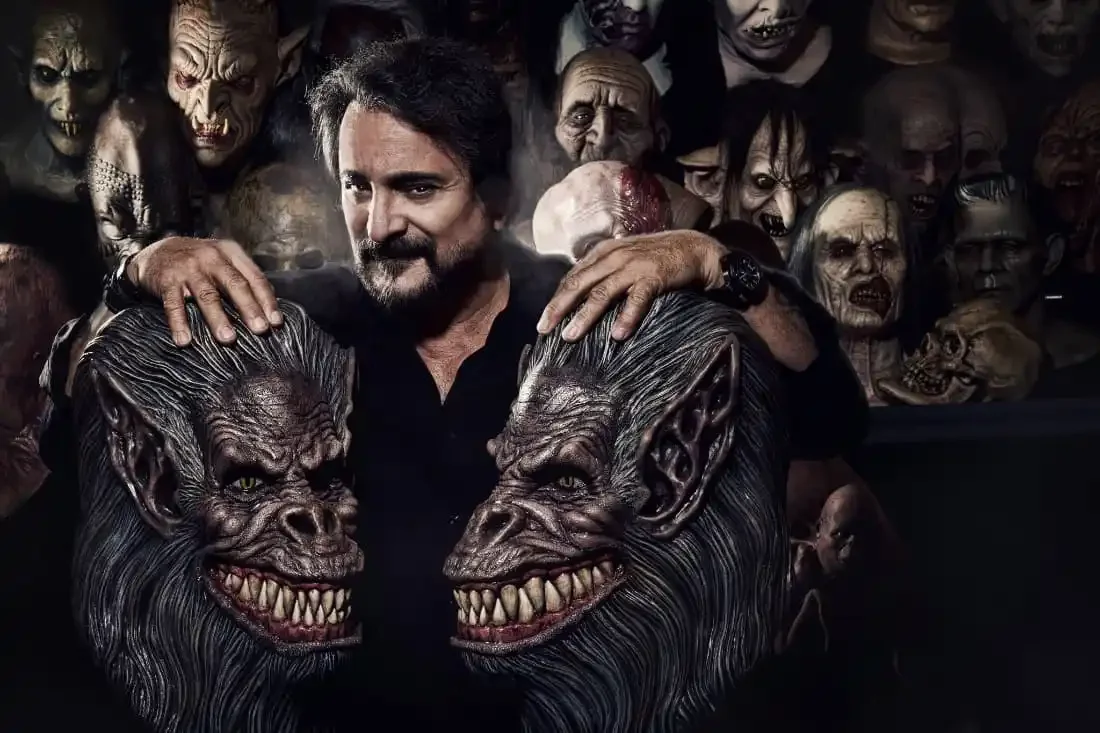
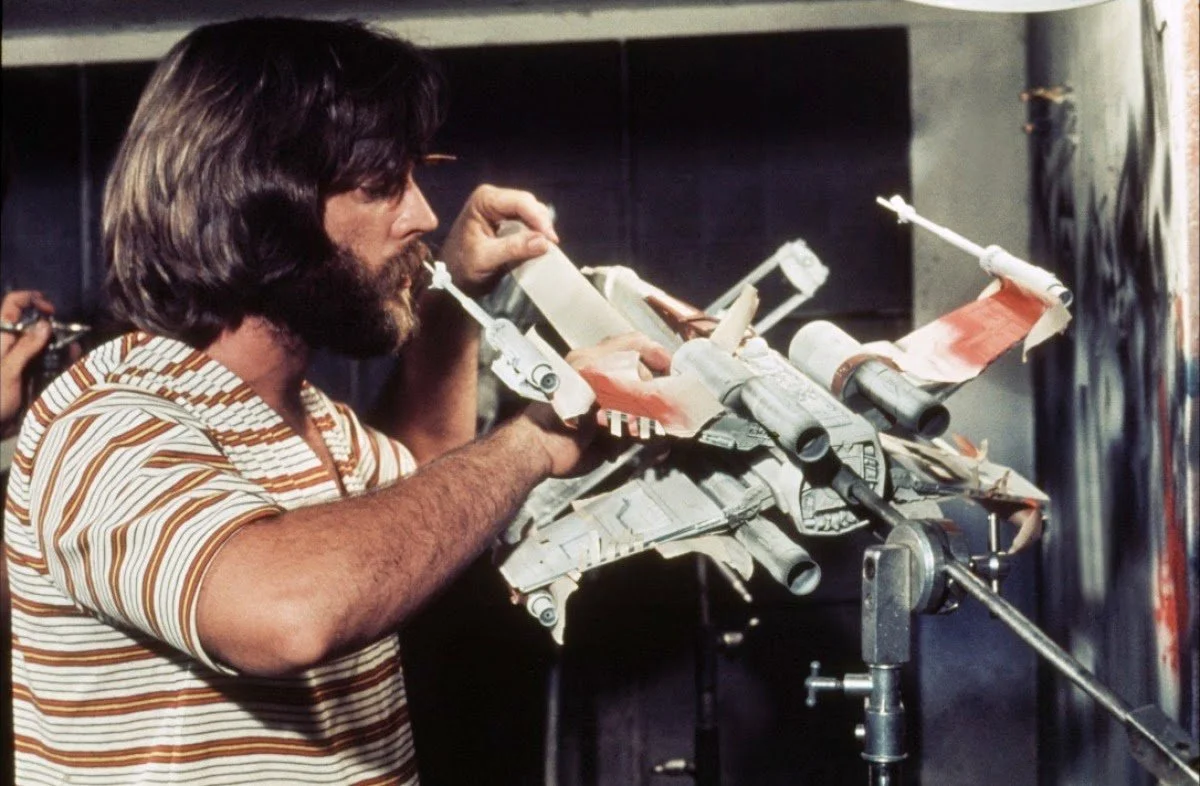
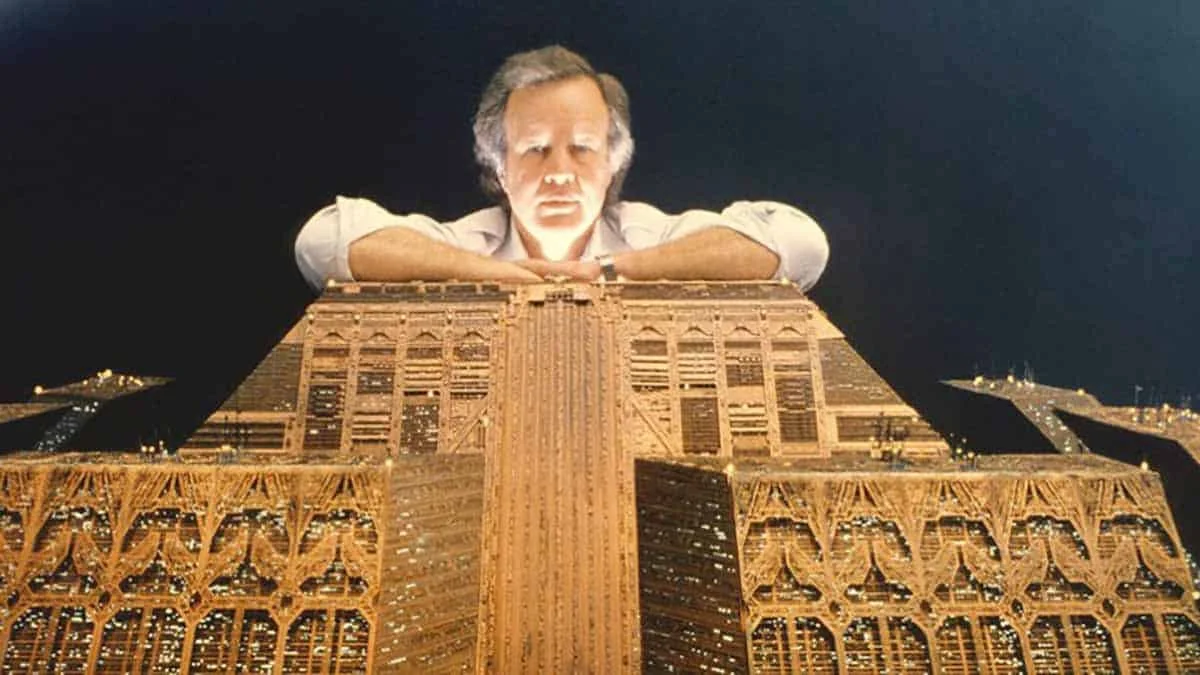
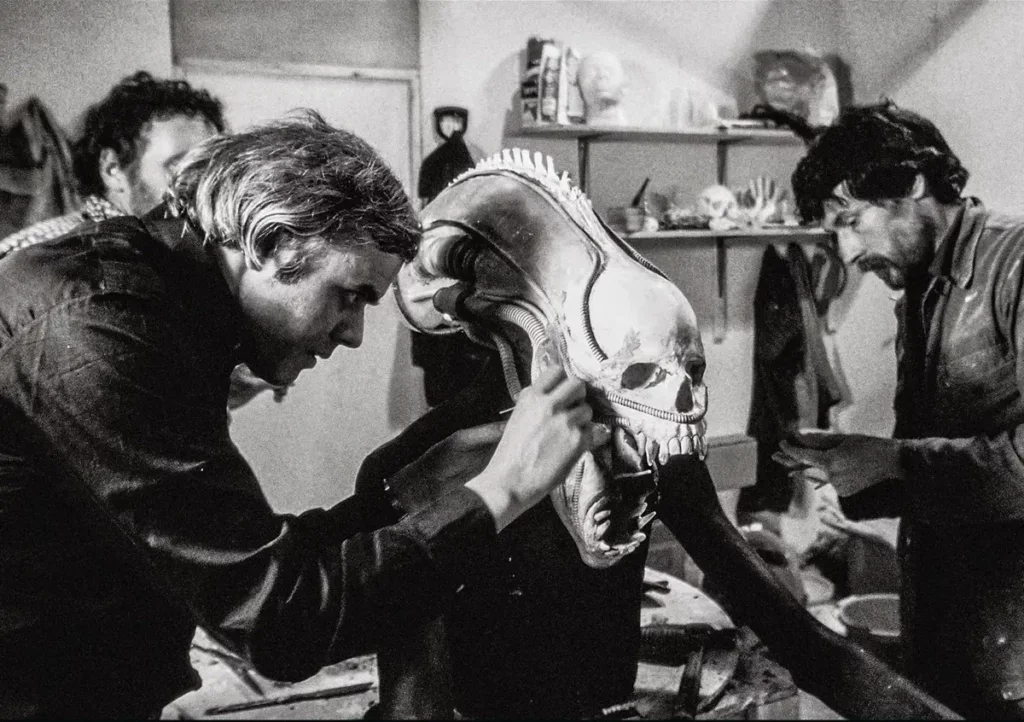
With the advent of C.G.I. (computer-generated imagery, for those of you, like myself, who just learned what “on fleek” means), there is almost nothing that can’t be achieved these days when it comes to special effects. Well, with possibly the exception of giving the audience a feeling of grounded reality. Or feelings at all. But before digital creators spent their days cooped up in a cubicle and pushing buttons on a computer, if you wanted to create some cinematic magic, you had to roll up your sleeves and get your hands dirty. Whether it was Georges Méliès utilizing trick photography, clever stage tricks, and forced perspective, Willis O’Brien and Ray Harryhausen’s pioneering stop-motion animation work, makeup effects masters like Rob Bottin, Rick Baker, and Tom Savini, or the blockbuster work of John Dykstra, Douglas Trumbull, and H.R. Giger, special effects often required not only imagination and technical proficiency, but a bit of elbow grease. Back in these glorious days of innovation, back trouble, carpal tunnel syndrome, and a chronic toxic fume cough were the battle scars of a true artistic hero!
But despite these unsung warriors weathering the slings and arrows of early practical SFX, when some unenlightened viewers see their work today, you’ll almost always hear a critique like, “The effects don’t hold up.”
Really? Well ya know what? Go fuck yourself.
If we’re going to judge a film by what the current technology of the time allowed, why watch any movie that didn’t come out yesterday? Sadly, many a modern-day sci-fi-horror fan would argue for that. And filmmakers as well! How many times has Lucas tried to “fix” his films with “Special Edition” releases, only for the result to be a soulless, muddy, digital mess?
So instead of criticizing a film for its antiquated production value, celebrate the imagination and ingenuity on display. And let’s not forget, these SFX pioneers always had budget constraints in their rear-view mirror, with their most impressive effect being the ability to stretch a buck.
Speaking of genre film budgets, another thing to keep in mind is that back in the olden days, you were up against challenges that so-called “serious” filmmakers didn’t have. That guy who thought he was the next John Cassavetes (and just to be clear, he wasn’t), producing his indie drama, never had to worry about making a convincing severed head or constructing the interior of a spaceship. Does that control panel look suspiciously like an ice cube tray with a light behind it? Sure! But the production only had 200 bucks to make a freakin’ SPACESHIP!
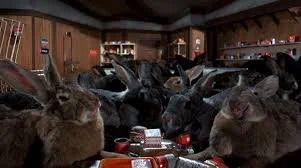
Even when set design and special effects in B horror and sci-fi films were, let’s be kind, a bit primitive, they often exhibited something that is missing in many genre films of today. It’s a little thing called “charm.” Watching a bunch of “giant” bunnies with strawberry jam-smeared mouths as they go on a murderous but nevertheless adorable rampage is actually what saves Night of the Lepus. Legendary monster suit creator and Roger Corman survivor Paul Blaisdell created the stuff of drive-in theater nightmares, for films like The Day the World Ended, Invasion of the Saucer Men, and It Conquered the World, using basically the contents of a kindergarten crafts closet. And yet all those creatures were brimming with personality, and dare I say, pizazz! Something that’s severely lacking in the Blue Man Group denizens of Avatar.
Unobtanium? Please!
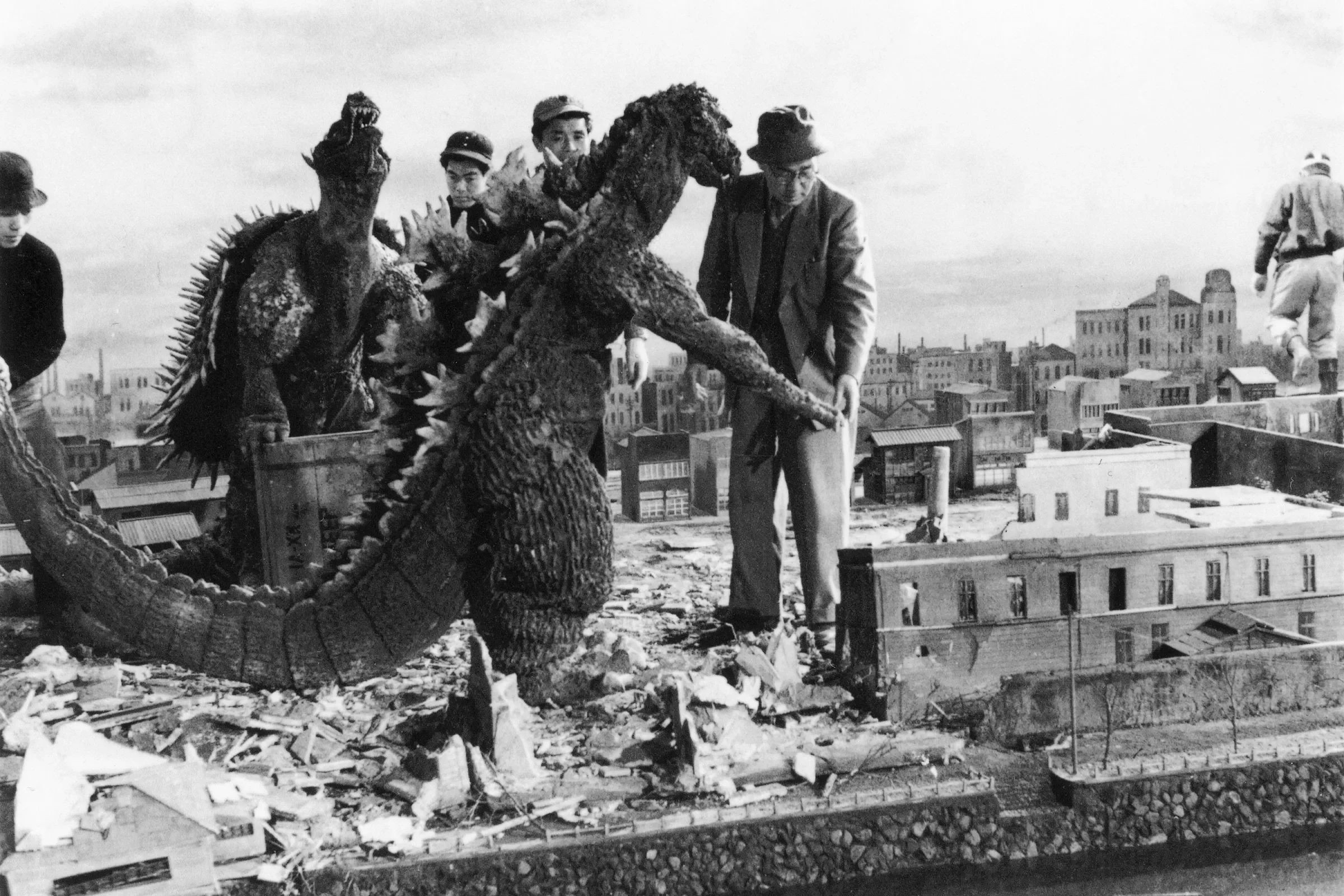
Maybe the criticism that makes my atomic blood boil the fastest is when current YouTube film snobs have a go at the effects and costumes in the classic Showa-era Godzilla films. Wow, that’s brave. And soooo original.
Let me explain something to this special breed of joy killers. Under the supervision of tokusatsu pioneer Eiji Tsuburaya, the monster suit in the 1954 film Gojira, was constructed using rubber, bamboo, and whatever else was available, including concrete. Suit actor Haruo Nakajima (who went on to play Godzilla in eleven other films) had to endure burns, suffocation, heat stroke, and more. And by more, I mean HE HAD TO WEAR CONCRETE! “But you can tell it’s a guy in a suit!” Of course it is! First of all, monsters don’t actually exist (sorry Nessie), and second, just shut your kaiju-slandering pie hole! “The miniatures are terrible! Those tanks and cars look like toys!” Oh, sorry they didn’t miniaturize an actual tank. And what do you have against toys anyway?
I think most Showa-era Godzilla fans will agree that when you’re watching one of these films, you go in accepting the rules of the world they present. We’re not expecting a totally realistic monster. We like that it’s a guy in a suit! It’s intrinsic to the appeal of this sub-genre of SFX-based entertainment. When people watch a puppet show or a cartoon, you don’t hear them yell, “That’s not real!” And most theatergoers attending a play don’t ask, “Why are those people pretending they don’t see us?”
Look, I’m in no way saying that I am not genuinely impressed by what modern digital effects can achieve, and I do think the technology is getting better at creating a realistic, visceral feel. When I first discovered the “Backrooms” series by Kane Parsons (Kane Pixels), I was astounded to find out that all of that was digital. And BTW, if you haven’t discovered that series yet, check it out! But if you’re going to dismiss decades of genre films simply because they don’t look like what can be made now, you’re doing yourself a disservice. Plus, you’re really making it hard to like you.
So, to sum up, if you’re not some asshole who is just trying to stir up trouble with clickbait, take another look at all those old genre films you wrote off. Try watching them through the eyes of their time, and the wonder of a child (a cool child). Remember, sometimes seeing the zipper in the back of the monster suit is half the fun! Now, if you’ll excuse me, I have some toy tanks to crush.